


If you have ever searched “What is my IP address?”, you probably wanted a simple tech answer.
An IP address is the internet facing address tied to your device or network session. Websites and online systems use it to see where digital traffic is coming from (and to). It is not a street address, and it does not show your exact location. Regardless, it still gives an approximate location signal. Likewise, in mortgage lending, a signal can help lenders flag possible fraud.
That may sound far removed from home lending, but it is not. Today’s mortgage process depends on matching the borrower’s story, the documentation, and the digital activity around the application. Lenders and identity verification vendors may use device data, including IP address and location signals, to spot mismatches and decide when a file needs a closer look.
An IP address does not prove fraud as it is not a final answer. It is simply one piece of the giant process puzzle.
Why lenders care?
Mortgage fraud still costs the industry time, money, and credibility. When an application contains false or misleading information, the lender prices the loan based on the wrong risk. That can lead to avoidable losses, early defaults, and buy-backs!
For that reason, lenders build layered checks into the process. Some of those checks focus on occupancy. Others focus on tax records, identity, and digital behavior. The goal is simple: make sure the file makes sense before the loan is cleared to close.

Today’s mortgage process often starts on a phone — and every digital step, from application activity to identity checks, helps lenders verify the file before approval.
1) Occupancy Fraud: The Most Common Misrepresentation
Fraud in home lending continues to rise, with mortgage-related fraud attempts up more than 33% in 2023. One of the most common problems is occupancy fraud.
This happens when a borrower claims a property will be a primary residence but plans to use it as something else, such as a rental or investment property. That matters because primary homes often qualify for better pricing, lower down payments, and easier loan terms.
In summary, the borrower gets a benefit they may not deserve by checking the wrong box.
That is where the IP analogy starts to align. If a borrower says, “this is my future primary home,” but the digital activity around the application keeps pointing somewhere else, the lender may pause and ask more questions, even require a signed letter to explain. That does not mean the borrower did anything wrong. People relocate, travel, and apply from out of state all the time. Still, a mismatch can justify a second look.
Likewise, IP addresses do not make the decision but helps the lender know when to request more information.
2) Tax-Return Verification: Why Lenders Use Form 4506-C
Another key fraud-control tool is IRS Form 4506-C.
This form lets a borrower authorize a lender, through the IRS Income Verification Express Service (IVES), to obtain tax transcripts directly from the IRS. In other words, it gives the lender a way to compare the income on file to what the IRS has on record.
That matters because modern underwriting does not rely on borrower paperwork alone. Lenders want outside records that help validate the income used to approve the loan. Form 4506-C helps them do that, but for a limited time.
Why this check matters
A lender may collect tax returns, W-2s, or other income documents from the borrower. Then the lender can use 4506-C to see whether those documents match the IRS transcripts. That helps confirm the file uses the right tax year and supports the income with matching information.
This is critical for any file taken in the spring to summer market, as the practice helps prevent the file from leaning on older returns when a newer return is available for analysis.
Why transcript type matters
Not every transcript shows the same thing.
A tax return transcript generally shows the return as it was originally filed. That works well for a standard baseline check. However, it may not show later changes. If the borrower filed an amended return or the IRS record changed after the original filing, the lender may need additional documentation.
So while an IP address helps check the digital story, Form 4506-C helps check the tax story.
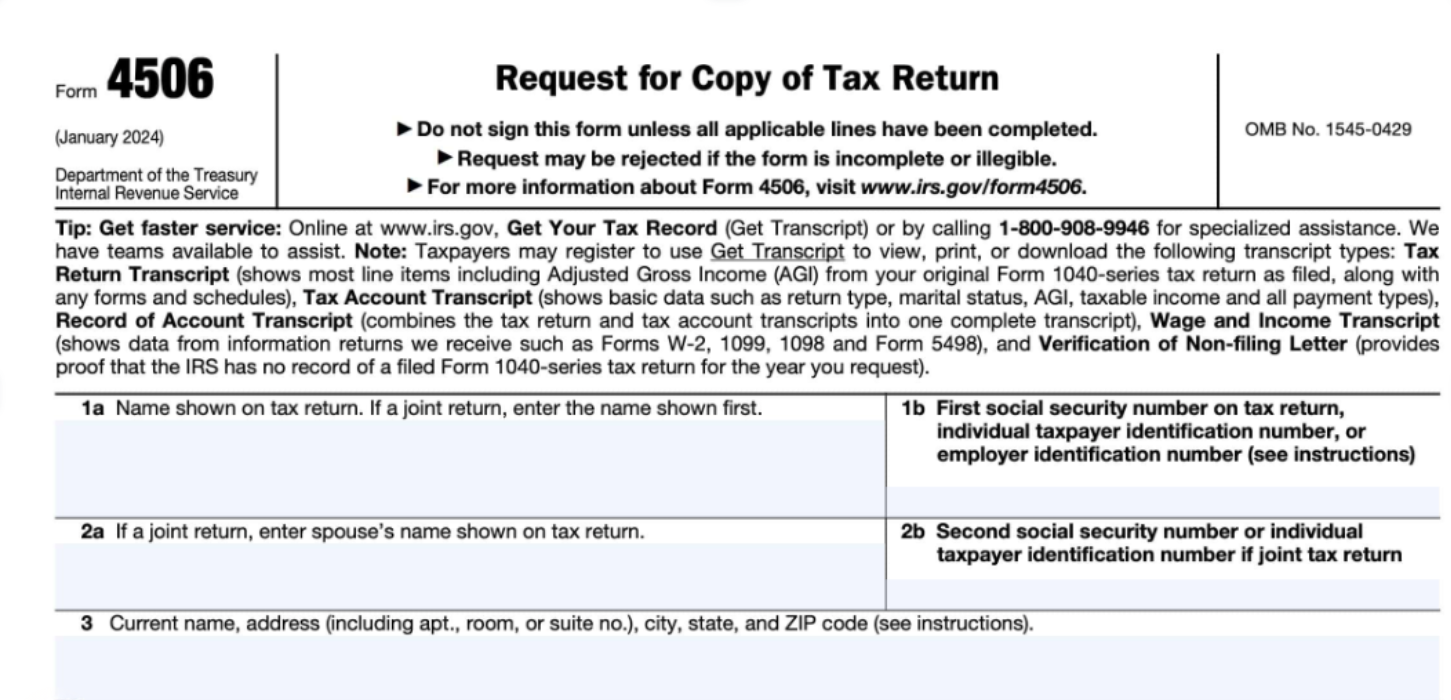
Tax verification matters: forms like IRS 4506 help lenders confirm the income story in the file matches official records, making the mortgage process more accurate, reliable, and secure.
3) Identity Fraud and Straw Buyers
Another major risk is identity fraud.
In some cases, the person on the application is not the real borrower. In others, a so called straw buyer applies for the loan on behalf of someone else. That person may have stronger credit, require fewer financials, or a more acceptable credit profile. The true borrower stays hidden behind the scene.
These files can look normal on the surface. That is why lenders compare more than just the paper application.
Digital signals can help here too. A lender may review device information, IP patterns, and application behavior to see whether the digital footprint matches the borrower’s stated identity. If the details do not line up, the lender may require more documents, additional sources of support, or a manual review before moving forward.
Again, a mismatch does not equal fraud. It does, however, give the lender a reason to slow down and proceed with caution.
Your IP Address Is a Signal, Not Proof
Like an IP address a mortgage application does not prove anything. It provides a path to a lending commitment.
What it can do is help the lender compare the digital session to the facts in the application. That is exactly how layered fraud prevention works. One signal leads to another check.
In that sense, the mortgage process has both a physical address and a digital one. The property address helps establish the collateral. The IP address helps show the digital footprint around the application. Tax transcripts help confirm the income story. Together, those checks help answer one basic underwriting question: Does this file make sense?
Famous Last Words
The cleanest mortgage files are the ones that provide alignment.
If the home is truly your primary residence, it should be obvious. Sometimes there can be grey area if the home is truly a vacation property or an investment property. If you are right sizing or relocating for a job opportunity explain it early. If you can work from anywhere in the country as a remote employee, do not take it personal if the lender wants to confirm eligibility with the employer.
At the end of the day, an IP address is only one small part of the digital picture. Even so, that small signal can provide integrity to the loan and help borrowers start on solid ground.

A clean file makes for a smoother process; when the details line up, today’s digital mortgage journey can move from review to approval with confidence.